The quick answer
Yes, you can steam clean too much: holding the steam on one spot, working too close, soaking fabric or steaming the same surface every day adds moisture and heat without adding any cleaning. The right amount is a few seconds of moving steam, an immediate dry wipe and a surface that is dry again within hours. Below is the right amount for each spot in the home, the signs you went past it and how to fix it.
Steam cleaning feels so satisfying that it is easy to overdo. The grime melts, the tile shines, and the natural instinct is to keep going: one more pass, a little closer, a bit longer on that stubborn corner, every single day. Most of the time that extra effort does nothing. Sometimes it does harm. Steam cleans with two things, heat and a small amount of moisture, and both are helpful only up to a point. This guide covers where “more” stops helping, how to spot that you went too far, and what the right amount looks like for the surfaces you clean most.
Why more steam is not more clean
Steam works by heating grime and grease until they soften and let go of the surface. Once they let go, the job is to wipe them away, not to keep heating them. Extra time in one place only adds water, which condenses, soaks into anything porous and has to dry again. As our explainer on how a steam cleaner works shows, the cleaning happens in the first seconds of contact; everything after that is moisture management.
5 ways people overdo steam cleaning
| The excess | What it causes | The right amount |
|---|---|---|
| 1. Holding the nozzle still | Hot spots, loosened sealer, streaks | Keep moving; a few seconds per pass, then wipe |
| 2. Working too close | Over-wet patches, splashes on joints and edges | Follow the distance and attachment in your manual |
| 3. Soaking fabric | Damp cushions and mattresses, musty smell later | Light passes with a cloth cover; barely damp to the touch |
| 4. Steaming the same surface every day | Wear on grout sealer, caulk and finishes | Daily wipe, weekly steam for most busy spots |
| 5. Ignoring the surface type | Swollen wood or laminate, dull paint | Check the surface first; skip steam where the maker says so |
The right amount, spot by spot
Tile backsplash and stovetop
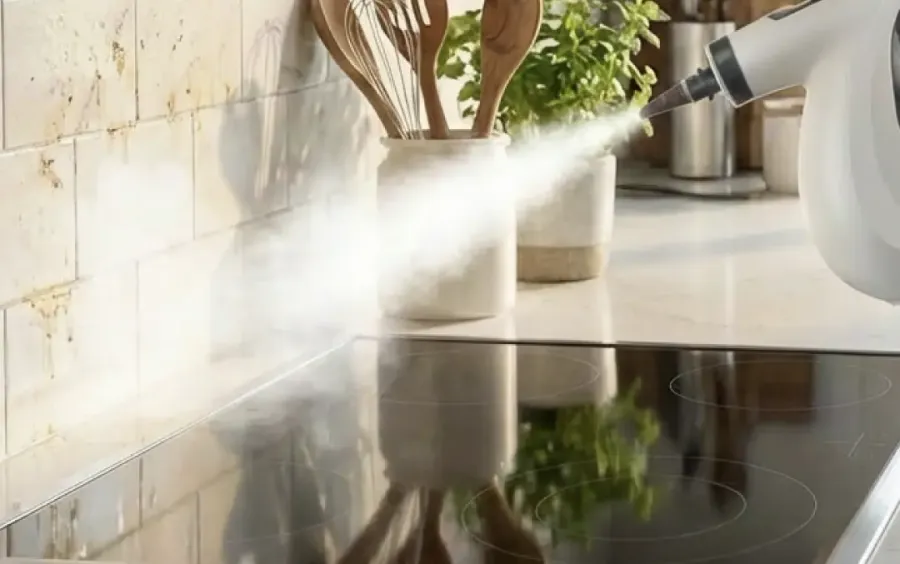
Short passes over the grease film, then a dry microfiber cloth right behind the nozzle. One or two passes is plenty; if a spot stays sticky, wipe and pass again instead of holding the steam there. A weekly session keeps a busy kitchen ahead of the grease, as our kitchen grease guide explains.
Grout
Grout loves steam, but sealed grout does not need to be blasted. Use the jet nozzle with a brush, move along the line and wipe. If you notice grout looking darker or sandy after cleaning, cut the dwell time and reseal on the schedule your sealer recommends. Our grout cleaning guide has the full technique.
Upholstery and car seats
Check the care tag first: fabrics coded W or S/W are generally steam-friendly. Use a cloth cover on the attachment, keep the passes light and quick, and leave windows open so it dries fast. The goal is “refreshed and barely damp,” never wet.
Mattresses
This is where excess does the most damage, because the foam underneath holds moisture. Make light passes over the top, let the mattress air out with the bedding off, and only make the bed once it is fully dry. The EPA advises drying wet materials within 24 to 48 hours to prevent mold growth; a mattress that still feels damp the next day was steamed too heavily. Our mattress steam-cleaning guide shows the gentle method.
Floors
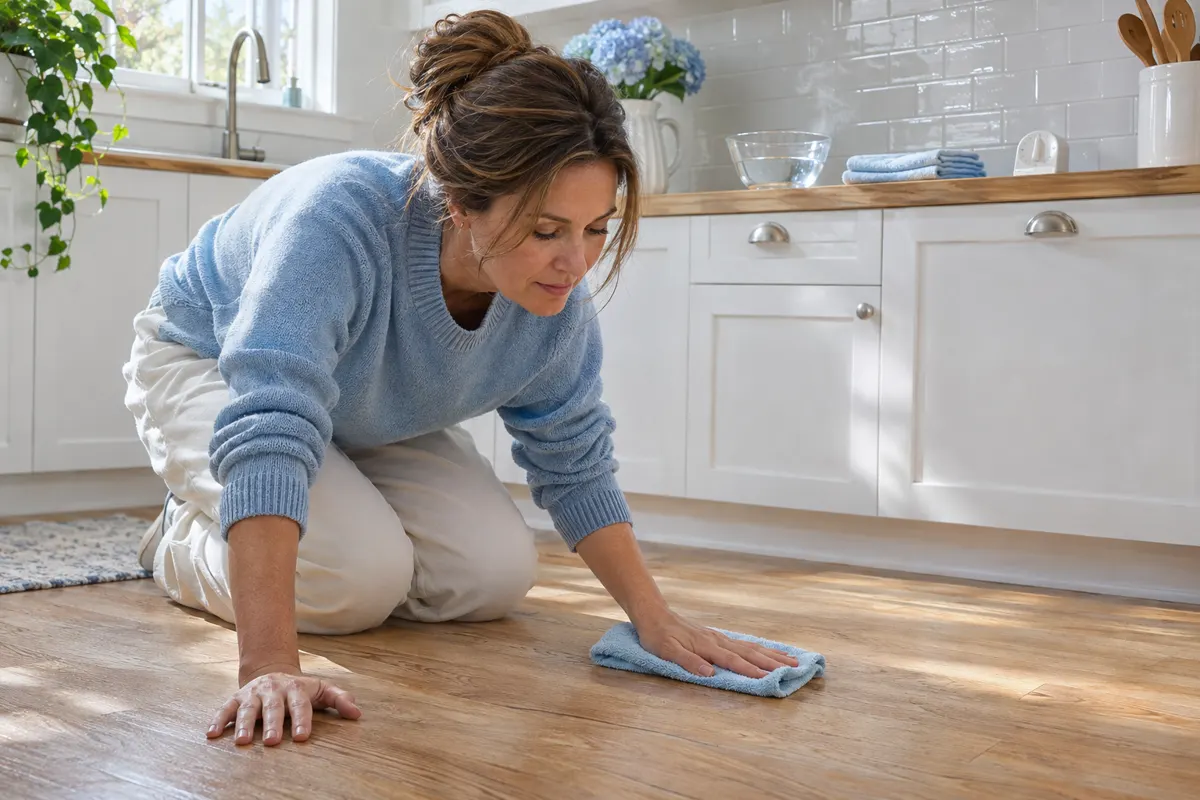
Sealed ceramic and porcelain tile handle steam well. Hardwood and laminate are a different story: heat and moisture can make them swell, and the National Wood Flooring Association and many floor makers advise against steaming wood floors. Follow your flooring manufacturer’s care guide and use a damp microfiber mop where steam is not recommended. For the full list of surfaces to skip, see what you can steam clean (and 6 to avoid).
Glass, mirrors and painted walls
Glass needs only a quick pass and a squeegee; more steam just means more streaks. On walls, stick to tile and backsplash and keep away from flat paint and wallpaper, as our guide to steam cleaning walls explains.
Signs you overdid it (and the fix)
- Cushions or mattress still damp in the evening — open windows, run a fan, and use lighter passes next time.
- A musty smell the next day — the fabric stayed wet too long; dry it fully and keep passes quick.
- White haze or streaks on tile and glass — too much condensation left to dry on its own; wipe right behind the steam.
- Grout looks darker or sandy — too much dwell time; move faster and check the sealer.
- Laminate edges lifting or wood looking cloudy — stop steaming that floor and follow the flooring maker’s care advice.
A sensible steam-cleaning rhythm
| Spot | Light daily care | Steam |
|---|---|---|
| Kitchen backsplash and stovetop | Wipe after cooking | About once a week |
| Shower tile and grout | Squeegee after showers | About once a week |
| Sink, faucets and handles | Quick wipe | Weekly or when grime builds up |
| Upholstery and car seats | Vacuum | When it needs a refresh, lightly |
| Mattress | Air it out when you change the sheets | Occasionally, lightly, fully dry before making the bed |
This is a practical rhythm, not a rule; adjust it to how busy your home is and always follow your steamer’s manual.
Where the right steamer helps
Restraint is easier with a steamer that heats quickly, aims precisely and comes with the right attachments, so you can hit the dirt for a few seconds and move on instead of soaking a wide area. That is exactly how the Qinux Vapoxis is designed to be used: handheld, aimed with a jet nozzle or brush, and followed by a cloth.
Our recommendation: Qinux Vapoxis
If you want the cleaning power of steam without overdoing it, the Qinux Vapoxis is the tool we recommend. It is a light handheld steam cleaner that works with nothing but tap water, and its attachments let you put a short burst of steam exactly where the grime is, then wipe it away. That precision is what makes the right amount easy: less water on the surface, faster drying and a clean finish on tile, grout, stovetops, sinks, glass, upholstery and car seats.
- Just water, no chemicals — no fumes, no residue, nothing to rinse off.
- Hygienic clean — the maker states its steam eliminates up to 99.9% of bacteria on treated surfaces.
- Precise attachments — jet nozzle, brushes and tools for glass and flat surfaces, so steam goes only where it is needed.
- Light and handheld — easy to keep moving, which is the whole secret of the right amount.
- One tool for the whole home — kitchen, bathroom, windows, upholstery and car.
Customers rate it 4.8/5 on the official site, and 94% say they would recommend it. A single unit is $109, two are $198, with free shipping, a launch discount of up to 50% and a 14-day money-back guarantee. Sold only through the official website.
Want the full picture first? Our complete Vapoxis review covers results room by room, and the Vapoxis home page has the current prices. Always test a hidden spot first and follow the steamer’s instructions and each surface maker’s care guide.
Frequently asked questions
Can you steam clean too much?
Yes. Steam itself is gentle, but holding the nozzle on one spot too long, working too close, soaking fabric or steaming the same surface every day can loosen grout sealer, swell wood and laminate, push moisture deep into cushions and mattresses, and leave streaks. Short, moving passes followed by a dry wipe are all most surfaces need.
How long should you steam one spot?
A few seconds per pass is usually enough on tile, grout and stovetops: the heat loosens the grime, then you wipe it away. If dirt does not budge, make a second pass after wiping rather than holding the steam in place. Follow your steamer’s manual for its recommended technique.
How often should you steam clean upholstery or a mattress?
Only as often as it needs a refresh, and always lightly. The goal is a surface that is barely damp and dries within a few hours. The EPA advises drying wet materials within 24 to 48 hours to prevent mold growth, so a mattress or cushion that stays wet for a day has been steamed too heavily.
Can steam damage hardwood or laminate floors?
It can. Heat and moisture can make wood and laminate swell, and many floor makers and the National Wood Flooring Association advise against steaming wood floors. Check your flooring manufacturer’s care guide; when in doubt, use a damp microfiber mop instead.
What are the signs I over-steamed something?
Cushions or a mattress that stay damp past the afternoon, a musty smell a day later, grout that looks darker or crumbly, white haze or streaks on glass and tile, edges of laminate lifting and paint or finish that looks dull. Each one means less time, more distance or a drier wipe next time.