Quick answer
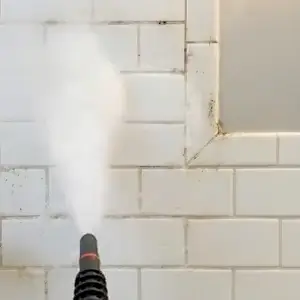
Most of what people believe about steam cleaning is half right. Fact: hot steam cleans with water alone, helps sanitize surfaces and lifts grease and soap scum that sprays only smear around. Myth: it is a cure-all that removes deep mold, works on every surface or soaks everything it touches. Used on the right surfaces, with slow passes and a cloth over the nozzle, a handheld steam cleaner like Qinux Vapoxis is one of the most practical cleaning tools you can own.
Steam cleaners have a reputation problem in both directions. One camp thinks they are a gimmick that just blows warm air at dirt. The other thinks steam fixes everything, from black mold behind the drywall to a decade of grime in the oven. Both are wrong, and both lead to disappointment. Here are the nine myths we hear most often, with the facts behind each one, so you know exactly what to expect before you plug one in.
Myth 1: “Steam is just hot water. It cannot clean without soap.”
Fact: heat is a cleaner in its own right. Grease, soap scum and sticky residue cling to surfaces because they are solid or semi-solid at room temperature. Steam heats them well past that point, so they soften and let go. A microfiber cloth then wipes away what used to need a degreaser and ten minutes of scrubbing. That is the whole reason steam cleaners run on tap water alone (we explain the full process in how a steam cleaner works). For a surface-by-surface walkthrough, see our guide to removing kitchen grease without harsh chemicals.
Myth 2: “Steam does not really kill germs.”
Fact: hot steam is a well-established way to sanitize surfaces. Steam is used to sanitize everything from baby bottles to commercial kitchens, and most steam cleaner makers state that their steam eliminates up to 99.9% of common bacteria. The catch is technique: the surface needs to actually get hot, so a slow, steady pass works and a quick wave over the counter does not. Steam also reaches the places where germs hide and cloths do not, such as faucet bases, grout lines and the rubber seal around the fridge door.
Myth 3: “Steam kills all mold, so I can skip the mold guy.”
Fact: steam handles surface mold, not mold inside walls. On tile, grout, shower silicone and sealed surfaces, steam helps loosen and lift the dark film so it wipes away, and it does it without bleach fumes. But steam only heats the surface it touches. Mold that has grown into drywall, untreated wood or wet insulation is out of reach, and a large or recurring patch is a moisture problem that needs to be fixed at the source. Use steam to keep the bathroom clean; call a professional for anything that keeps coming back or covers a large area. For the full answer, from one sentence to EPA guidance, read does steam kill mold? The answer in 3 levels.
Myth 4: “Steam will soak my sofa, mattress and car seats.”
Fact: a handheld steamer uses far less water than people expect. A carpet washer sprays liquid into the fabric and sucks it back out. A handheld steam cleaner releases a fine, hot vapor, and with a cloth or microfiber cover over the nozzle the padding underneath stays dry. Upholstery usually dries within a few hours, not days. The two rules that matter: keep the steamer moving, and never park it on one spot. We walk through the full method in how to steam clean a mattress and how to steam clean car seats.
Myth 5: “You can steam clean anything.”
Fact: a few surfaces should never meet steam. Unsealed hardwood and laminate can swell and warp. Waxed or oiled furniture loses its finish. Delicate or painted surfaces, silk, velvet and leather can be damaged, and cold window glass in winter can crack from the temperature shock. Anything electrical is off limits for obvious reasons. The good news is that the list of surfaces that love steam is far longer; our guide to what you can steam clean covers 15 of them room by room.
Myth 6: “Steam cleaning takes forever and needs a big machine.”
Fact: a handheld unit heats up in minutes and fits in one hand. The canister steamers of twenty years ago were heavy, slow and tethered to a long hose. A modern handheld like Qinux Vapoxis heats up in minutes, weighs little enough to hold at arm’s length for a shower door, and swaps attachments in seconds. For most households the time saved on scrubbing more than covers the warm-up.
Myth 7: “A steam mop does the same thing.”
Fact: a steam mop cleans floors; a handheld cleans everything else. A steam mop is built to glide over large stretches of sealed hard floor. It cannot get into grout lines, around faucets, into the stovetop grates, along window tracks or onto upholstery, which is exactly where the slow, annoying cleaning jobs live. Our handheld steam cleaner vs. steam mop comparison breaks down which tool each job needs.
Myth 8: “Steam leaves a residue or a smell behind.”
Fact: steam is the only cleaner that leaves nothing behind. Spray cleaners work by leaving a thin chemical film that keeps attracting dust, and many add fragrance to mask the smell of the actives. Steam is water. Once the surface dries there is nothing to rinse, no streaks on glass when you follow with a squeegee, and no scent in the room. The one thing you may notice is loosened dirt on your cloth, which is the point.
Myth 9: “Steam cleaners are dangerous.”
Fact: steam is hot, and a few simple habits make it safe. The nozzle and the steam itself can burn, so point the steamer away from your body, keep kids and pets out of the room while you work, never aim steam at people or electrical outlets, and let the unit cool and depressurize before refilling. Followed consistently, those habits make a steam cleaner no more hazardous than a kettle, with the bonus that there are no chemicals under the sink for little hands to find.
Myth vs. fact at a glance
| The myth | The fact |
|---|---|
| Steam cannot clean without soap | Heat softens grease and scum so a cloth lifts them away |
| Steam does not kill germs | Hot steam is widely used to sanitize surfaces; move slowly |
| Steam kills all mold | Surface mold yes; mold inside walls needs a professional |
| Steam soaks upholstery | A handheld uses little water; fabric dries in hours |
| You can steam anything | Skip unsealed wood, wax, leather, silk, cold glass, electronics |
| It takes forever | Handheld units heat up in minutes |
| A steam mop does the same | Mops do floors; handhelds do the detail work |
| Steam leaves residue | Water only, nothing to rinse, no fragrance |
| Steam is dangerous | Hot, yes; safe with a few simple habits |
How to get the facts working for you
- Vacuum or dust firstSteam on top of loose dust makes mud. Remove crumbs, hair and dust before you start.
- Pick the right attachmentJet nozzle for grout and corners, round brush for stovetops, squeegee for glass, cloth-covered flat tool for fabric.
- Test a hidden spotA few seconds in a corner tells you whether the surface or fabric is happy with heat.
- Move slowly, keep movingSlow enough to heat the surface, steady enough that no single spot gets wet.
- Wipe as you goSteam loosens dirt; a microfiber cloth removes it. Work in small sections so nothing dries back on.
- Let it dry and coolOpen a window for upholstery, and let the steamer cool before you refill the tank.
Our recommendation: Qinux Vapoxis
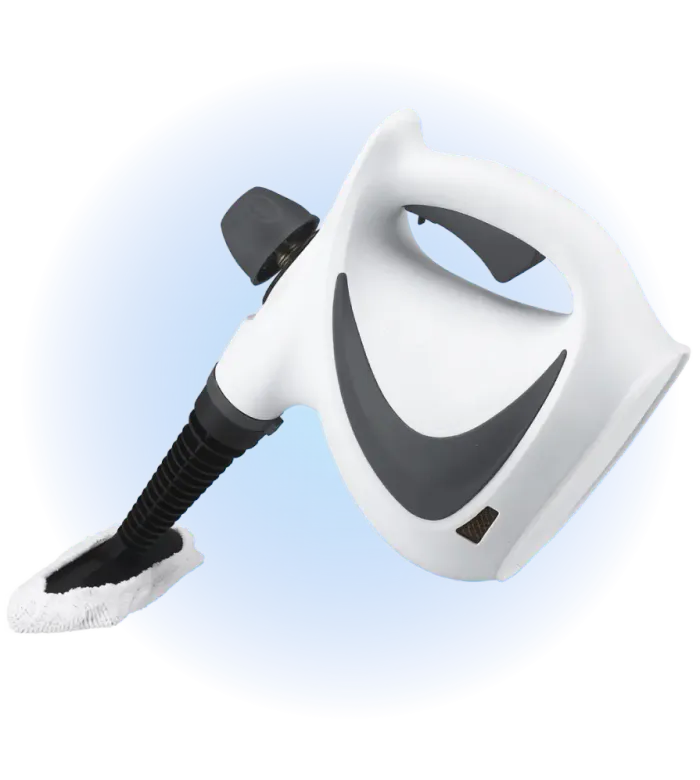
Once you separate the myths from the facts, the picture is simple: a handheld steam cleaner is the most practical way to clean the detailed, grimy parts of a home with nothing but water. Qinux Vapoxis is the one we recommend, and it was built for exactly the jobs described above.
- Tap water only — no detergents, no residue, no fragrance in the rooms where your family lives.
- Hygienic clean — the maker states its steam eliminates up to 99.9% of bacteria on treated surfaces.
- The right attachments for every myth on this list — jet and angled nozzles for grout, a round brush for the stovetop, a window squeegee for streak-free glass and a flat tool with microfiber cover for sofas, mattresses and car seats.
- Heats up in minutes — compact and light enough to hold in one hand, so the detail work gets done instead of postponed.
- Low moisture — refreshes fabric without soaking the padding, so upholstery is back in use the same day.
Customers rate it 4.8/5 on the official site, and 94% say they would recommend it. A single unit is $109, and bundle pricing drops to $79 per unit in the 5-pack (the 2-pack at $99 each is the most popular). Free shipping, a launch discount of up to 50% and a 14-day money-back guarantee. Sold only through the official website.
Want the full picture first? Our complete Vapoxis review covers room-by-room results, what is in the box and the scorecard, and the home page has a short overview with current prices. Always follow the maker’s instructions for the steamer and for the surface you are cleaning, and keep the hot unit away from children and pets while you work.
Frequently asked questions
Does steam cleaning really work without chemicals?
Yes. Heat does the job that detergents usually do: it softens grease, soap scum and sticky residue so a cloth can wipe them away. Steam cleaners run on tap water alone, which is why there is nothing to rinse off afterwards and no chemical smell left behind.
Does steam kill germs?
Hot steam is widely used to sanitize surfaces, and most steam cleaner makers state that it eliminates up to 99.9% of common bacteria when the surface is heated long enough. The key is a slow, steady pass rather than a quick wave over the surface.
Can steam cleaning remove mold?
Steam helps lift surface mold from tile, grout, sealed surfaces and shower silicone. It cannot reach mold that has grown deep inside porous materials like drywall or untreated wood, so a large or recurring mold problem still needs to be assessed by a professional.
Will steam cleaning soak my sofa or mattress?
Not when you use a handheld steam cleaner correctly. It releases a small amount of moisture compared with a carpet washer, so a fabric cover or cloth over the nozzle refreshes the surface without wetting the padding underneath. Most upholstery dries within a few hours.
Is a steam cleaner safe to use around kids and pets?
The steam itself leaves no chemical residue, which is a big plus in homes with children and pets. The nozzle and steam are hot, so keep kids and animals out of the room while you work and let surfaces cool before anyone touches them.
What should you never steam clean?
Unsealed wood and laminate, waxed or oiled furniture, delicate or painted surfaces, silk, velvet, leather, cold glass in winter and anything electrical. When in doubt, check the maker’s instructions and test a hidden spot first.